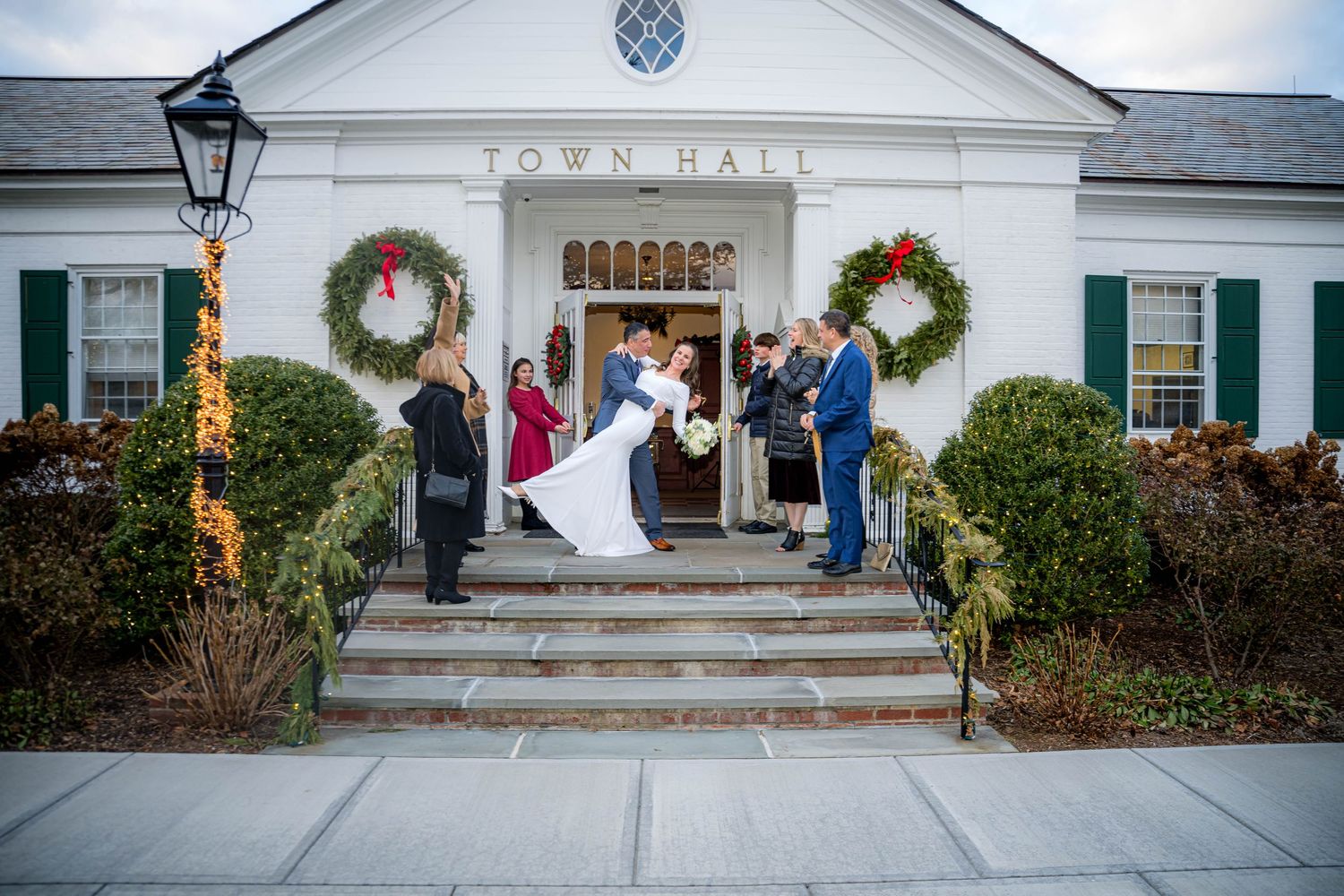
Helping you by honest guidance
I’ll guide you through the entire process
Being a photographer is what I do — being human is who I am.
We all need guidance sometimes, yet many of us are afraid to ask for it. That’s why I offer my help freely, with no expectation of anything in return. If I can use my skills or experience to support you in any way, I’m here — not for profit, but simply because I care.
Resources & Guides
FAQ
Are the travel expenses included in your packages or covered additionally?
For weddings over 100 miles from Fairfield, CT (06824), a travel fee of $100–$500 may apply, depending on the location and logistics. This covers transportation, accommodations (if needed), and incidental expenses.
What’s included in your package pricing?
Services outlined in your selected package (e.g., photography hours, deliverables).
Local travel within Fairfield County.
What’s additional?
Travel fees for distant events (billed transparently upfront).
Overnight stays (if required).
We’ll provide a customized quote with all costs detailed before booking! Let us know your venue location, and we’ll confirm the exact fee.
What if we want something more enchanting Ideas for our elopement?
Sunrise Ceremony in a Misty Forest – Soft golden light, dew-kissed leaves, and the world still asleep as you say "I do."
Private Vineyard Vows – A quiet corner among the vines, toasting with wine made just for you.
Coastal Cliffside at Twilight – The ocean breeze carrying your promises as the sky melts into watercolor hues.
Historic Library or Chapel – Time stands still among old books or candlelit arches, your love the only sound.
Wildflower Field Picnic – Just you two, a blanket, and a basket of treats—celebrating with slow, stolen kisses.
Snowfall First Look – Flecks of white in your hair, warm hands clinging tighter in the quiet hush of winter.
Hidden Garden Ceremony – Like something from a fairy tale, with blooms weaving around your fingertips.
Rooftop with City Lights – A glittering skyline as your witness, champagne bubbles rising like your joy.
Lakeside Canoe & Vows – Drifting together, dipping paddles into still water, your reflections blurring into one.
At-Home Elopement – Slow dancing in the kitchen, trading rings where your love grew deepest.
Why I’d Be Honored to Document Your Love
I cherish the quiet moments—the way your hands find each other without thinking, the tremble in your voice when you promise forever.
Your love is my muse. I’ll capture it like a poem: tender, honest, and achingly beautiful.
No rush, no distractions. Just you two, lost in the feeling, while I preserve every sacred detail.
Let’s create a day that feels like a sigh of relief, where time bends around your love. Tell me, darling—what makes your heart flutter? Let’s begin.
We want to include our dog into the elopement ceremony and photos, is that okay?
Absolutely! Including your dog in your elopement ceremony and photos is a wonderful idea—it makes the day even more personal and meaningful. Many couples choose to involve their pets as part of their celebration.
Just a few things to consider to make sure it goes smoothly:
Check the location rules – Some venues or parks may have restrictions on pets.
Assign a handler – Have someone (like a friend or pet sitter) take care of your pup before/after their special moment.
Bring treats & toys – Keep them happy and focused for photos!
Plan pet-friendly attire – A floral collar or bowtie can add a cute touch.
If you’d like help brainstorming ways to include them (like a "paw-ternity" signing or a short walk together during the ceremony), I’d be happy to suggest ideas!
How long does it take to recieve the photos after the elopement and how will those be delivered?
On average, the wedding industry can take anywhere from 5 to 8 months to deliver final elopement galleries. But when it’s done by me, I believe in doing it right and delivering it faster.
I promise a full gallery delivery within 3 to 5 months, but in reality, all of my clients receive their full set of images within 3 months of their ceremony.
Additionally, I include a 25-photo sneak peek within the first 72 hours, so you’ll have beautiful memories to share right away while the full story is being carefully edited.
Do we need a wedding officiant for our elopement? If yes, can you recommend one?
Yes, in most cases, you will need a legally recognized officiant to solemnize your marriage and ensure it’s legally binding. However, requirements vary by location:
Some states/countries allow self-solemnization (Colorado, California with specific conditions, Pennsylvania, etc.).
Others require an officiant (ordained minister, judge, justice of the peace, etc.) and sometimes witnesses.
If you’re unsure, I’d be happy to help clarify based on your elopement location!
Officiant Recommendations
Since you mentioned having an extensive vendor network, I’d love to connect you with the right officiant based on:
Location (destination or local?)
Style (religious, non-denominational, spiritual, secular, etc.)
Special requests (bilingual, LGBTQ+ friendly, etc.)
Would you like me to match you with someone from your existing vendor list, or would you prefer fresh recommendations? Let me know how I can assist!
(And yes, with your 30 years of experience, you’re definitely an asset—I’d love to collaborate or tap into your expertise!) 😊
What if we legally don’t get married on our elopement day?
1. No Legal Marriage Benefits
You won’t have rights like spousal inheritance, tax benefits, healthcare decisions, or Social Security benefits.
If you separate, there’s no legal process for division of assets or spousal support.
2. Possible Common-Law Marriage?
In some places (like certain U.S. states), if you present yourselves as married and meet other criteria, you might be considered common-law spouses over time.
Most places don’t recognize this, though.
3. Symbolic vs. Legal Marriage
Many couples have a ceremonial elopement (vows, rings, celebration) but handle the legal paperwork later. This is fine as long as you eventually formalize it if you want legal rights.
4. Future Legal Marriage
If you want legal recognition later, you’ll need to follow your local marriage laws (license, officiant, witnesses, etc.).
5. Potential Risks
If one partner assumes you’re legally married but you’re not, it could cause problems (e.g., medical emergencies, financial disputes).
What to Do?
If you want legal marriage: Research requirements in your area (some have waiting periods or require an officiant).
If you don’t: Consider a cohabitation agreement to outline financial/medical rights.
Would you like help figuring out the legal steps for your location?