Family Photography Sessions That Feel Real
Some families arrive at a photo session worried about outfits. Others are bracing for a child’s mood, the weather, or the possibility that nobody will smile at the same time. That tension is understandable, but the best family photography sessions rarely come from perfect behavior or flawless coordination. They come from presence, trust, and enough space for real interaction to unfold naturally.
That is what makes family portraits worth investing in. These images are not only about how everyone looked during one season of life. They preserve the way your child leaned into you, the way siblings teased each other before bursting into laughter, and the way your family moved together without even thinking about it. A strong session makes room for all of that while still creating polished, timeless photographs.
What Makes Family Photography Sessions Meaningful
A meaningful session starts long before the first frame is captured. It begins with understanding who the family is and what kind of images should represent them. Some families are playful and energetic. Others are quieter and more intimate. Many want both — a few classic portraits alongside candid moments that feel spontaneous and alive.
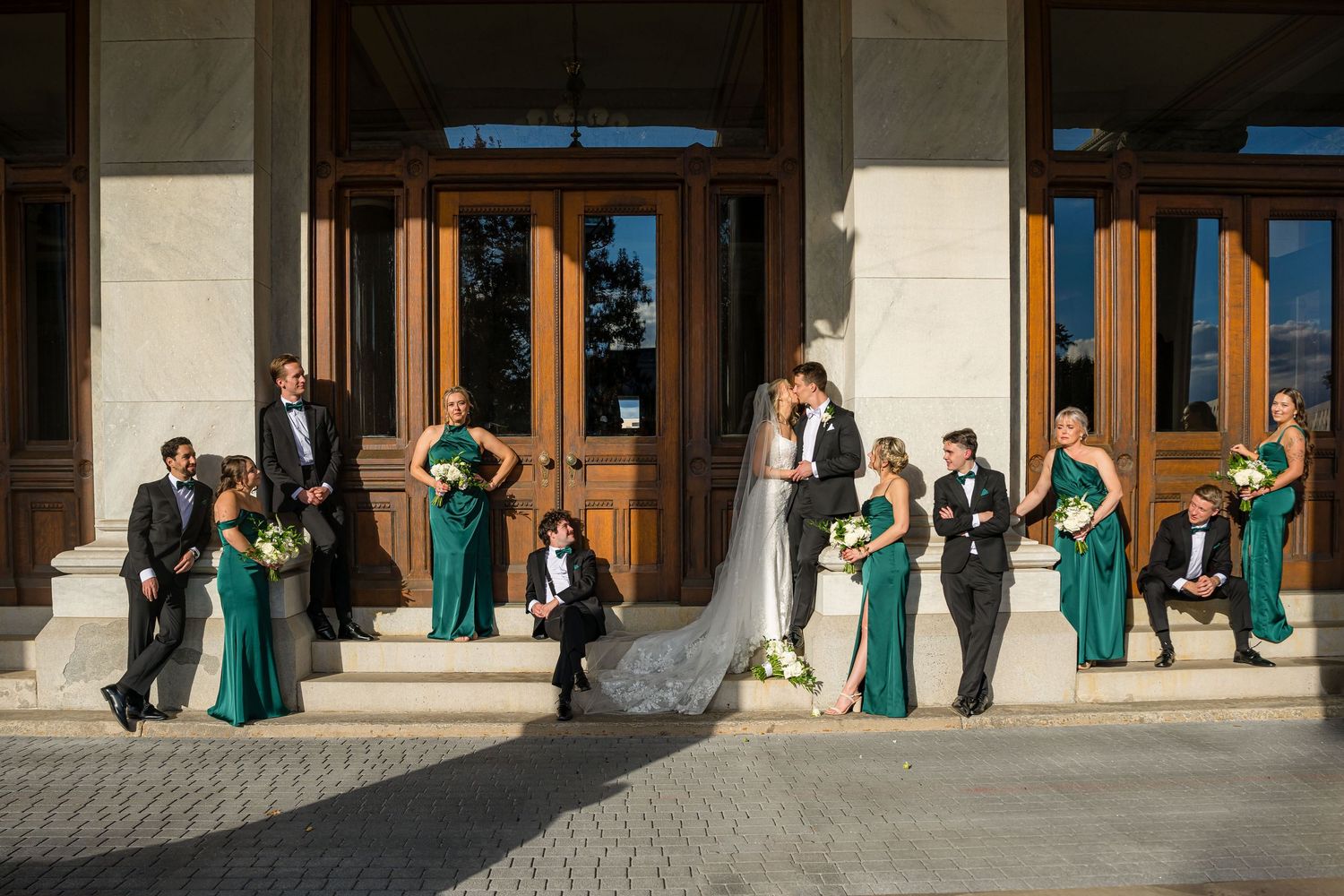
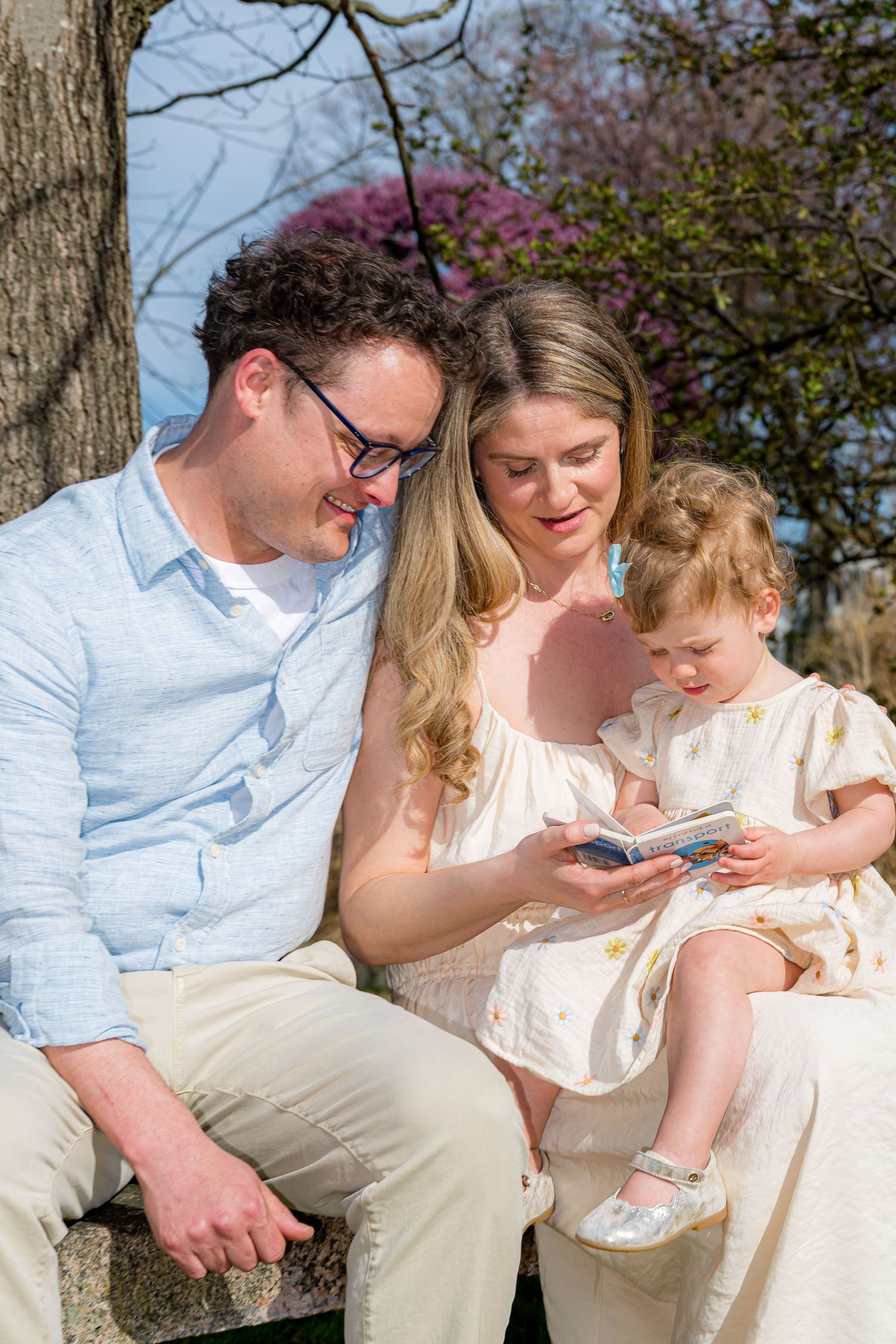
That distinction matters because family photography can quickly become generic when every session is approached the same way. A row of smiles facing the camera has its place, but it rarely tells the full story. The photographs families return to most often usually contain something more: a hand resting on a shoulder, wind moving through hair, a child mid-sentence, or parents exchanging a quick glance while life unfolds around them.
This is where experience and artistic restraint become essential. A photographer has to guide the session without controlling every second of it. Too little direction leaves people uncertain. Too much direction strips away personality. The balance is subtle, and it changes depending on the family, the location, and the energy of the day.
Preparing Without Overthinking
Preparation helps, but over-planning can make a session feel stiff before it even begins. The goal is not to create a flawless production. The goal is to remove distractions so your family can actually enjoy being together.
Clothing is one of the clearest examples. Coordinated outfits almost always photograph better than perfectly matching ones. When everyone wears identical colors or styles, the images can feel dated or overly staged. A softer approach tends to create more timeless results — complementary tones, layered textures, and clothing that feels like an elevated version of what you naturally wear.
Neutrals, earth tones, creams, soft blues, and muted greens often photograph beautifully, especially outdoors. Comfort matters just as much as color. If a child dislikes what they are wearing, it will show. If a parent feels uncomfortable in an outfit they never normally wear, that tension becomes part of the image.
Timing also plays a larger role than many people realize. Young children have windows when they are more emotionally open, curious, and relaxed. Scheduling around naps, meals, and natural energy levels can completely change the tone of a session. For older children and adults, the challenge is usually pace. Rushing from school, work, or sports directly into a session can make everyone feel mentally elsewhere.
Choosing the Right Setting
Location is never just a backdrop. It shapes the emotional tone of the photographs.
A beach session may feel open, airy, and expansive. A park or field often creates softness and movement. An in-home session can feel deeply personal, especially for families with young children or families wanting to preserve everyday life exactly as it is.
There is no universally perfect location. The right setting depends on the family and the feeling they want the images to carry.
For some families, a scenic outdoor environment creates enough beauty to support the story naturally while keeping the relationships central. For others, home is the better choice because it lowers pressure and allows children to feel comfortable and familiar in their surroundings.
Light is part of this conversation as well. Early mornings and late afternoons usually offer the most flattering natural light, but an experienced photographer knows how to adapt to changing conditions throughout the day. Even so, every environment comes with trade-offs. Midday sun can be harsh. Wind can create beautiful movement or become distracting. Crowded public spaces may limit spontaneity.
Good planning does not eliminate variables. It simply creates a stronger foundation for the session to unfold naturally.
The Difference Between Posed and Directed
Many families say they want candid photographs, but very few truly want a session with no guidance at all. Most people want images that feel natural while still looking intentional and refined.
That is where directed photography becomes valuable.
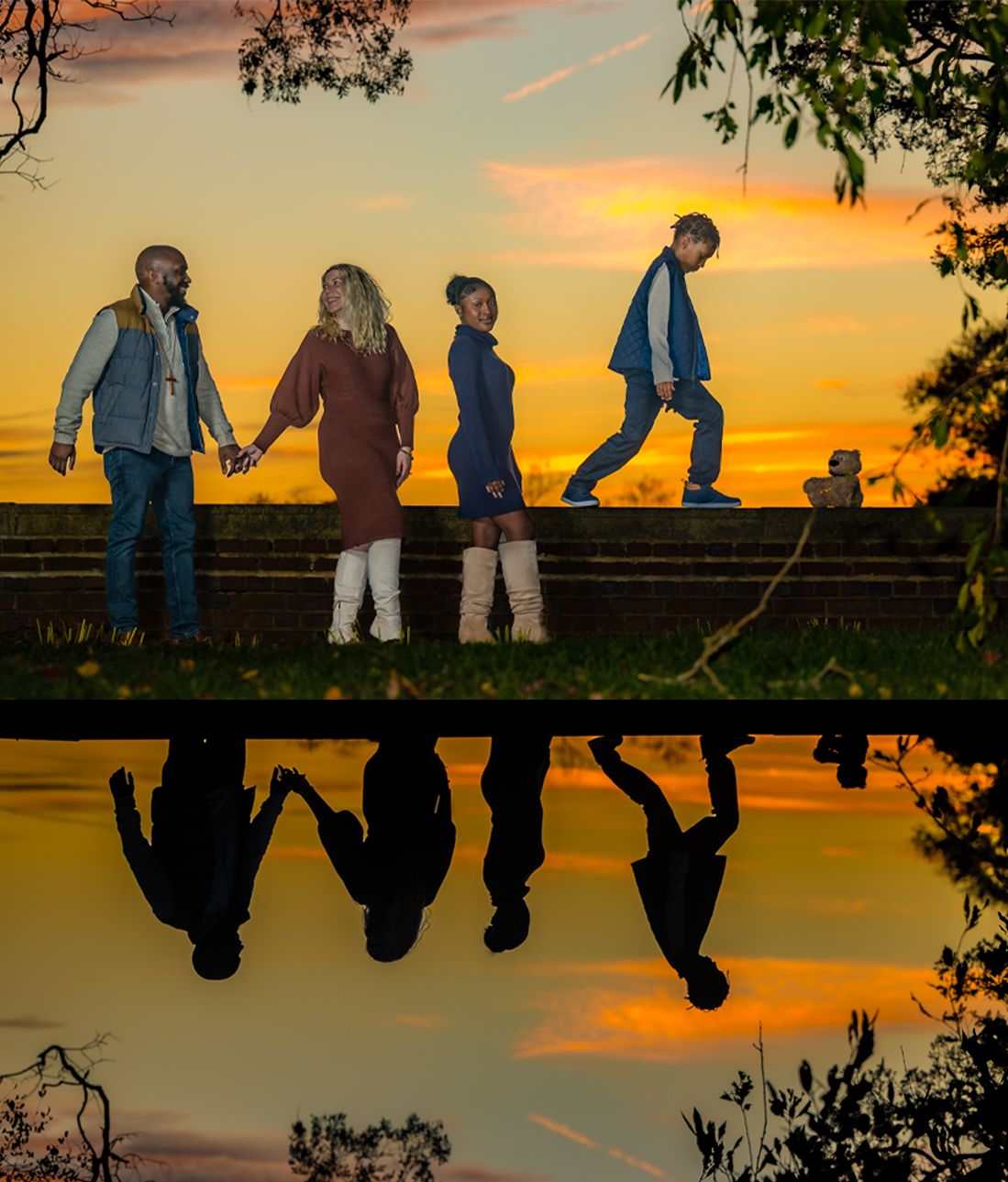
Instead of asking everyone to stand still and smile for every frame, direction can invite interaction. Walk together slowly. Pick up your child. Talk to each other. Let siblings race for a moment before pulling back in close. These small prompts create movement and genuine expression without leaving everything to chance.
The camera still needs thoughtful composition and attention to detail. Hair, posture, spacing, and background all matter. But when direction is done well, it supports the emotional truth of the image instead of replacing it with something artificial.
This approach is especially important with children. Asking a five-year-old to hold a fixed smile almost never creates the best photograph. Giving them something to explore or react to usually does. Curiosity photographs far better than forced compliance.
When Things Don’t Go According to Plan
Almost every memorable family session includes a moment that could have been seen as a problem. A toddler refuses to participate. Someone gets sandy or grass-stained. A child needs a break. The weather changes unexpectedly.
These things happen.
The question is not whether the session will remain perfectly on schedule. The question is whether there is enough flexibility to adapt without losing the spirit of the experience.
Often, the strongest photographs happen after the family stops trying so hard. Parents relax. Children settle into themselves. A brief pause becomes a quiet portrait. A chaotic moment becomes laughter. This is one reason emotional intelligence matters just as much as technical skill in family photography. People need to feel seen, not managed.
Of course, not every challenge magically transforms into the perfect moment. Sometimes a tired child simply needs the session to move faster. Sometimes weather requires a location change. But adaptability is often what separates a stressful experience from a meaningful one.
Why These Photographs Matter More Over Time
Family photographs tend to grow in value as the years pass.
What feels ordinary today often becomes the very thing you miss later.
You may schedule a session because the children are finally at an age where it feels possible, because grandparents are visiting, or because too much time has passed since your last portraits. But years from now, the importance of the images usually shifts. You begin noticing details you never thought to name at the time — the shape of a smile, the size of a hand, the way your family looked before life changed again.
That is why polished technique matters, but it is not the entire assignment. The images should be beautiful, yes, but they should also feel alive enough to continue revealing something over time.
A truly strong family session creates photographs that hold both artistry and emotional truth.
How to Know a Session Was Successful
Success is not measured by whether every frame is perfectly behaved. It is measured by whether the final gallery genuinely feels like your family.
That may include a few classic portraits where everyone is looking at the camera. It should also include the in-between moments filled with movement, warmth, and personality. The gallery should feel cohesive without becoming repetitive. Refined without becoming overly controlled.
When a family session works, the photographs feel observed rather than manufactured. You recognize yourselves in them, but you also see something more clearly than you do in everyday life.
If you are planning a family photography session, the most valuable thing you can bring is not perfection. It is openness. Come prepared, dress with intention, trust the process, and leave room for the unscripted moments. Those are often the images that stay with you the longest.
Some families arrive worried about outfits. Others are bracing for a child’s mood, the weather, or the possibility that nobody will smile at the same time. That tension is understandable, but the best family photography sessions rarely come from perfect behavior or perfect coordination. They come from presence, trust, and enough room for real interaction to unfold.
That is what makes family portraits worth doing well. These images are not only about how everyone looked at one stage of life. They hold the way your child leaned into you, the way siblings tested each other and then laughed, the way your family moved together without thinking about it. A strong session makes space for all of that while still creating polished, lasting photographs.
What makes family photography sessions feel meaningful
A meaningful session starts before the first frame. It begins with understanding who the family is and what kind of images should represent them. Some families are playful and kinetic. Some are quieter and more intimate. Some want a mix - a few grounded portraits, then room to move, explore, and let the energy shift naturally.
That distinction matters because family photography can easily become generic when every session is approached the same way. A row of smiles facing the camera has its place, but it rarely tells the full story. The images people return to most often tend to have a little more life in them: a hand on a shoulder, wind in the hair, a child mid-sentence, parents sharing a quick glance while the moment unfolds around them.
This is where experience and artistic restraint both matter. The photographer has to guide without controlling everything. Too little direction can make people feel lost. Too much direction can flatten the personality out of the frame. The balance is subtle, and it changes depending on the family, the location, and the age of the children.
Preparing for family photography sessions without overthinking them
Preparation helps, but over-planning can make the session feel stiff before it even starts. The goal is not to build a flawless production. It is to remove obvious distractions so the family can actually be present.
Clothing is a good example. Coordinated usually works better than matching. When everyone wears the exact same thing, the images can feel dated or overly styled. A softer approach tends to photograph better - a palette of complementary tones, some texture, and clothing that feels like a polished version of what you would naturally wear. Neutrals, earth tones, soft blues, creams, and muted greens often hold up beautifully, especially outdoors.
Comfort matters just as much as color. If a child hates a shirt, it will show. If a parent feels self-conscious in an outfit they rarely wear, that tension can shape the whole session. The best clothing choices are the ones that look elevated without pulling anyone out of themselves.
Timing also plays a larger role than many people expect. Young children have windows when they are most open, curious, and emotionally available. Scheduling around nap time, meals, and natural energy patterns is not a minor detail. It can determine whether the session feels easy or strained. For older children and adults, the issue is less about sleep and more about pace. Rushing from school, sports, or work into a photo session can leave everyone mentally elsewhere.
Choosing the right setting for your family
Location is never just background. It shapes the mood of the story.
A beach session may feel open, breezy, and expansive. A field or park often creates softness and movement. An in-home session can feel deeply personal, especially for families with young children or families documenting a season they want to remember as it truly was. There is no universally best location. It depends on the family and the kind of images they want to live with.
For some, a scenic outdoor setting offers enough visual beauty to hold the frame lightly while the relationships stay central. For others, home is the better choice because it lowers pressure and gives children a sense of familiarity. That can be especially useful when parents want photographs that feel intimate rather than performative.
Light is part of this conversation too. Early morning and late afternoon usually offer the most flattering natural light, but the right location can make other times workable. A professional photographer should know how to read changing conditions and adapt. Even so, there are trade-offs. Midday sun can be harsher. A crowded public space may limit spontaneity. Wind can add beautiful movement or create distraction. Good planning does not eliminate variables. It simply gives the session a stronger foundation.
The difference between posed and directed
Many families say they want candid photos, but very few truly want a session with no guidance at all. Most want images that feel natural while still looking considered. That is where directed photography becomes valuable.
Instead of asking everyone to stand still and smile for every frame, direction can invite interaction. Walk together slowly. Pick up your child. Talk to each other. Let siblings race for a moment, then come back in close. These prompts create movement and genuine expression without leaving the outcome entirely to chance.
The camera still needs shape, composition, and attention to detail. Hair, posture, spacing, and background all matter. But when direction is done well, it supports the emotional truth of the image instead of replacing it with something artificial.
This approach is especially helpful with children. Asking a five-year-old to hold a fixed smile almost never produces the best result. Giving them something to do usually does. Curiosity is more photogenic than compliance.
When things do not go according to plan
Almost every memorable family session includes a moment that could have been seen as a problem. A toddler refuses to participate. A child gets sandy or grass-stained. Someone needs a break. The light shifts faster than expected. These things happen.
The question is not whether the session will stay perfectly on track. The question is whether there is enough flexibility to respond without losing the spirit of it.
Sometimes the strongest images happen after the family stops trying so hard. Parents lower their guard. Children settle into themselves. A brief pause becomes a quiet portrait. A burst of chaos becomes laughter. This is one reason emotional intelligence matters as much as camera skill in family work. People need to feel seen, not managed.
There are limits, of course. A completely exhausted child may need the session to move faster or simplify. Weather may force a change of location or tone. Not every challenge turns into magic. But adaptability often separates a stressful experience from a meaningful one.
Why these photographs matter more over time
Family photographs tend to grow in value. What feels ordinary now often becomes the very thing you miss later.
You may book a session because the kids are finally all at an age where it feels possible, or because grandparents are visiting, or because too much time has passed since your last professional portraits. But years from now, the importance of the photographs usually shifts. You notice details you did not think to name at the time. The shape of a smile. The size of a hand. The way your family was before life changed again.
That is why polished technique matters, but it is not the whole assignment. The images should be beautiful, yes. They should also feel alive enough to keep revealing something as the years pass.
For families in Fairfield and beyond, that often means choosing a photographer who can do more than produce a nice holiday-card frame. It means working with someone who understands pacing, expression, setting, and the emotional texture of a family as it actually is. At Bestinct, that storytelling perspective is what gives a portrait session its depth.
How to know a session was successful
Success is not measured by whether every frame is perfectly behaved. It is measured by whether the final gallery feels like your family, only seen with clarity and care.
That may include a few classic portraits where everyone is looking at the camera. It should also include the in-between moments that carry rhythm and personality. The images should feel cohesive, but not repetitive. Refined, but not overly controlled. Warm, but not sentimental in a forced way.
When a family session works, you can feel that the photographs came from observation, not just setup. They carry both artistry and recognition. You see yourselves, but you also see something more fully than you do in everyday life.
If you are planning family photography sessions, the most useful thing you can bring is not perfection. It is openness. Come prepared, dress with intention, trust the process, and leave room for the unscripted parts. Those are often the moments that stay with you longest.