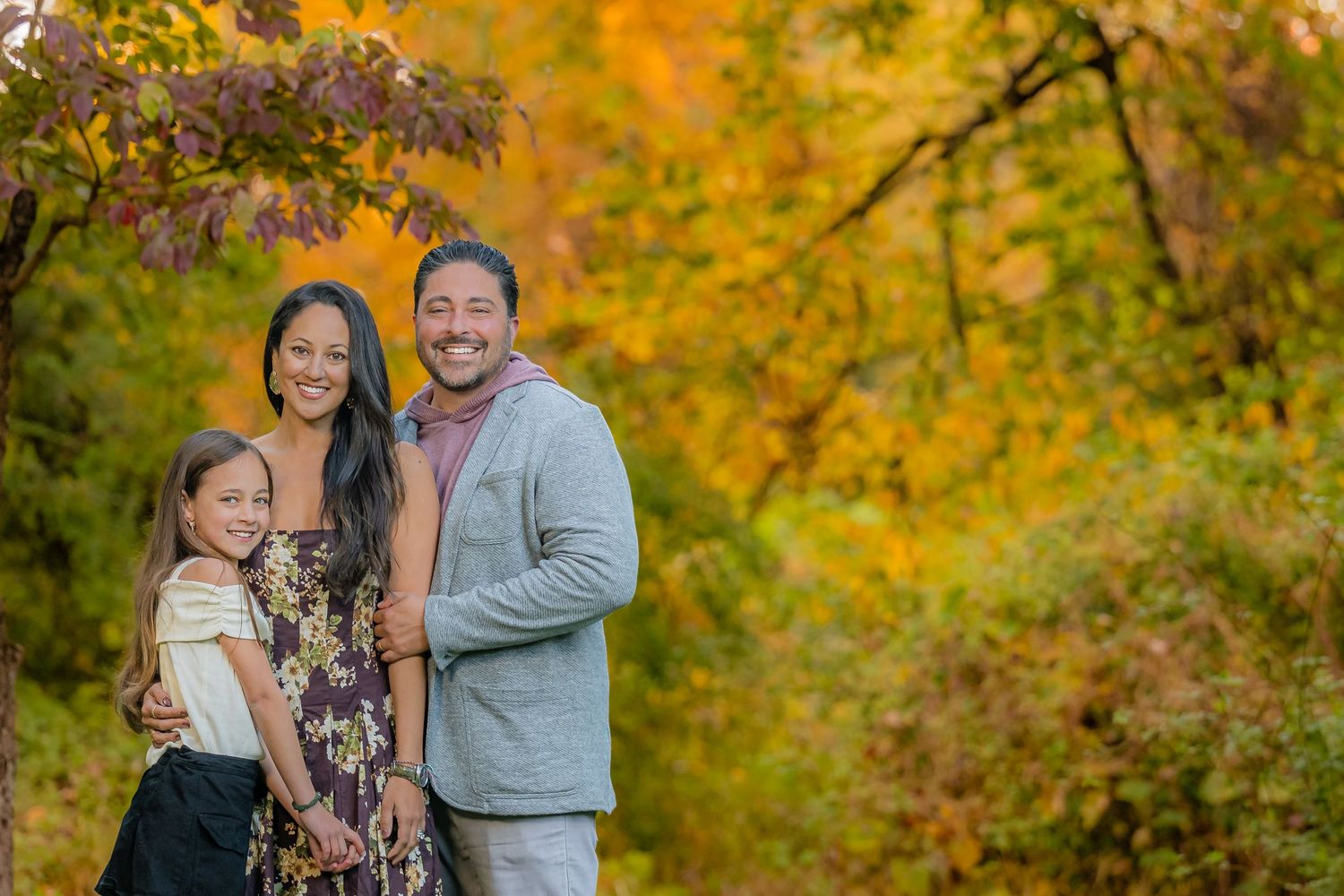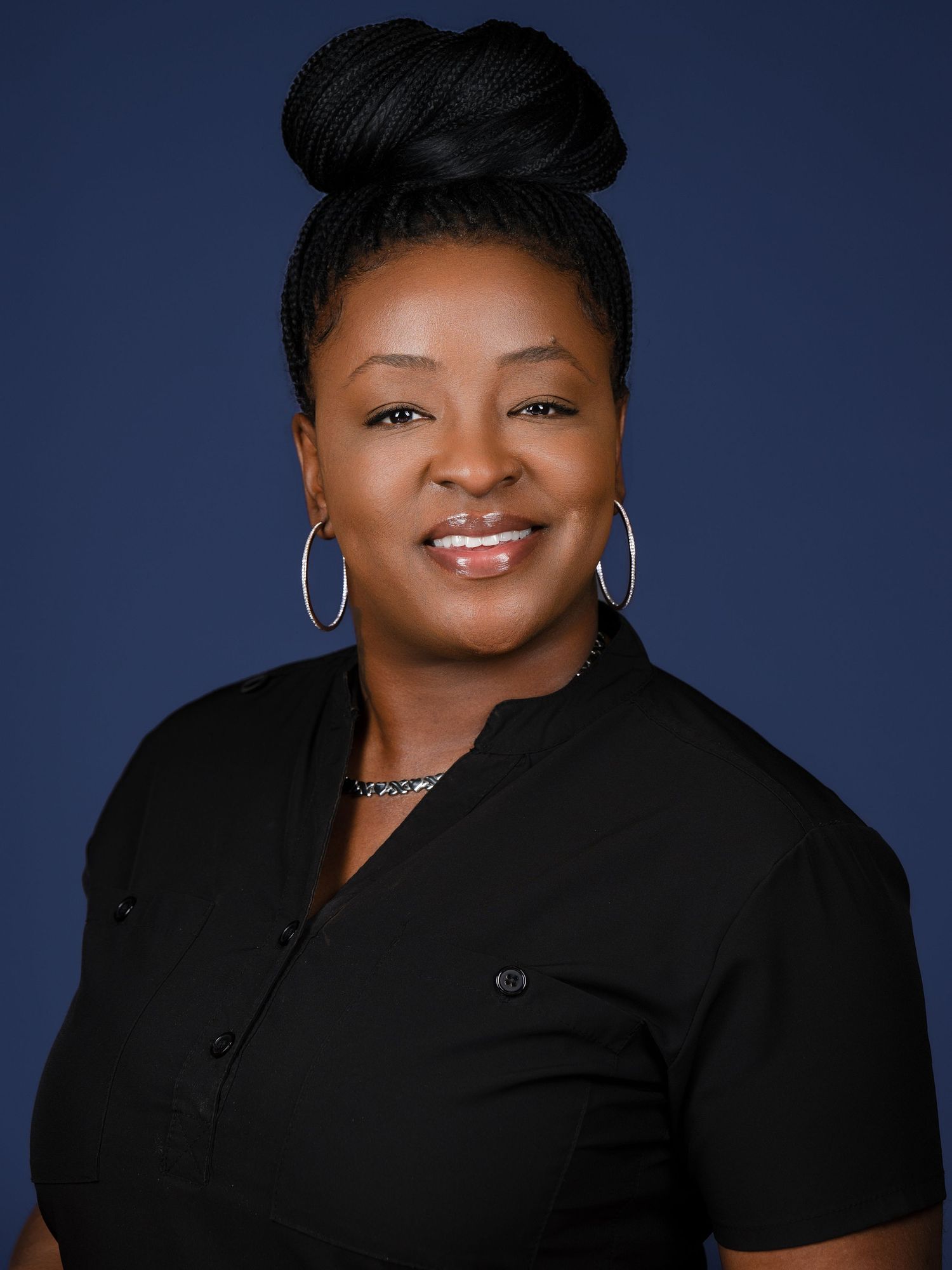
A great headshot can look effortless, but what you wear has a quiet, powerful effect on the final image. If you're asking what should I wear for headshots, the best answer is this: choose clothing that supports your face, reflects your personality, and feels true to the story you want the photo to tell.
That sounds simple, but it helps to get more specific. Headshots are close, personal images. They are not really about the outfit itself. They are about expression, presence, and connection. Clothing matters because it shapes how polished, approachable, creative, or confident you appear before you say a word.
What should I wear for headshots if I want to look polished but natural?
Start with pieces that make you feel like the best version of yourself, not a costume version. If you never wear a blazer, forcing one for your session can read as stiff. If your daily style is tailored and minimal, a casual T-shirt may feel off-brand. The right wardrobe choice usually sits in that sweet spot between familiar and elevated.
Solid colors tend to photograph better than loud prints. Patterns can pull attention away from your eyes, especially in a tightly framed portrait. Small stripes, tiny checks, and busy florals can also create visual distraction on camera. A clean, solid top in a flattering color keeps the image focused where it belongs - on you.
Fit matters just as much as color. Clothing that is too loose can look shapeless. Clothing that is too tight can create tension and make you feel self-conscious. A well-fitted piece gives structure without looking rigid. That balance helps you move, breathe, and settle into a natural expression.
Choose colors that support your skin tone and your message
For most headshots, mid-tone and rich neutral colors work beautifully. Think navy, charcoal, cream, olive, camel, burgundy, forest green, dusty blue, or muted rust. These tones usually add depth without overpowering the face.
Bright neon shades and extremely saturated colors can bounce color onto your skin or steal attention from your expression. Pure white can sometimes photograph harsher than expected, especially under bright light, while solid black can feel heavy or flatten detail depending on the setup. That does not mean you should avoid white or black completely. It means they work best when chosen intentionally and with the lighting style in mind.
If your goal is a corporate or personal branding headshot, softer neutrals and classic colors often feel timeless. If you're an actor, artist, or creative professional, you may have more room to introduce color that hints at personality. The key is making sure the color supports the mood rather than becoming the whole point of the image.
What colors usually work best for headshots?
Blue is one of the safest choices because it flatters many skin tones and tends to feel calm, trustworthy, and current. Earth tones can add warmth and dimension. Jewel tones often feel rich and expressive without being distracting.
If you're unsure, hold a few options near your face in natural window light. The right color tends to make your skin look more alive and your eyes clearer. The wrong one can make you look tired before the camera even comes out.
Necklines and layers make a bigger difference than most people expect
Because headshots are framed closely, the neckline is highly visible. Crew necks can look clean and simple, but on some people they can feel a little closed off. V-necks and open collars often create a more open, elongating line. Button-down shirts, structured knits, and simple blouses are reliable choices because they add shape without feeling fussy.
Layers can be especially useful. A jacket, cardigan, blazer, or overshirt can add dimension and polish. It also gives you variety without a full outfit change. In one look, you might appear more formal. In another, more relaxed and conversational. That range can be helpful if you need images for different uses.
Still, less is usually more. Over-layering or adding too many style elements can compete with the portrait itself. A headshot should feel composed, not overdesigned.
Dress for your industry, but leave room for personality
The best headshots feel aligned with the world you move through. A lawyer, therapist, actor, entrepreneur, and fitness coach may all need headshots, but not the same wardrobe. Context matters.
For corporate professionals, a tailored jacket, blouse, collared shirt, or simple dress often feels appropriate. Clean lines and understated styling tend to age well. For creatives, there may be more flexibility in texture, layering, or color. For actors, the wardrobe should suggest range while still feeling grounded and believable.
If you're using the image for personal branding, ask what you want people to feel when they see it. Trust? Warmth? Authority? Ease? Creativity? Your clothing can support that impression in subtle ways.
This is where trade-offs come in. The more trend-driven your outfit is, the more specific and current it may feel. That can be great if your brand is fashion-forward or highly contemporary. But if you want your image to last for years, classic pieces are often the wiser choice.
What to avoid wearing for headshots
The easiest way to think about this is to avoid anything that pulls the eye away from your face. That usually includes large logos, busy prints, heavily wrinkled fabrics, and accessories that dominate the frame.
Very shiny fabrics can reflect light unpredictably. Thin materials may cling or fold in ways that do not look flattering on camera. Statement jewelry can work in some cases, but it should feel intentional and not distract from your expression.
Glasses are a case-by-case decision. If you wear them every day and they are part of how people know you, keep them. Just make sure they are clean and that the lenses do not create distracting glare. If possible, bring them and also photograph a few frames without them.
Hats usually hide the forehead and eyes, which are essential in a strong headshot. Unless the hat is central to your identity or profession, it is usually better left out.
Hair, makeup, and grooming should still look like you
The most successful headshots do not happen when someone tries to look like a different person. They happen when someone looks rested, confident, and fully themselves.
Hair should feel clean, intentional, and familiar. If you're getting a haircut, do it a few days before the session rather than the same day. That gives it time to settle naturally. Makeup, if worn, usually works best when it is polished but not heavy. Camera-ready does not have to mean dramatic.
For grooming, small details matter. Moisturized skin, trimmed facial hair, neat nails if hands may be included, and lint-free clothing all help the final image feel refined. These are quiet choices, but they show.
Bring options, but keep them focused
If you can, bring two or three tops or layering pieces rather than one single outfit. Variety helps, but too many choices can create stress and slow the session down. A simple plan is better than an overpacked bag.
Try to bring options that create distinct moods. One might be more professional, one more relaxed, and one slightly more expressive. That gives room to shape the session around different uses without losing visual consistency.
If you are working with a photographer who approaches portraiture as storytelling, this part becomes especially valuable. A subtle wardrobe shift can change the emotional tone of the image while still keeping the focus on your face and presence. At Bestinct, that balance between polish and personality is often where the strongest portraits begin.
The best outfit is the one that lets you forget about it
When people feel uncomfortable in what they're wearing, it shows in small ways - a lifted shoulder, a tight smile, a posture that never settles. The right outfit frees you up. It lets your attention move away from the shirt, the collar, the sleeve, and back toward the moment.
So before your session, try your outfit on fully. Sit in it, stand in it, move around in it. Look at yourself in natural light. Ask not only whether it looks good, but whether it feels like you on a very good day.
That is usually the clearest answer to what should I wear for headshots. Choose clothing with shape, simplicity, and intention. Choose colors that flatter. Choose pieces that match the version of yourself you want others to meet. Then let the photograph do the rest.
A strong headshot does not come from dressing louder. It comes from dressing with enough confidence and clarity that your face, your expression, and your story can come forward without distraction.